
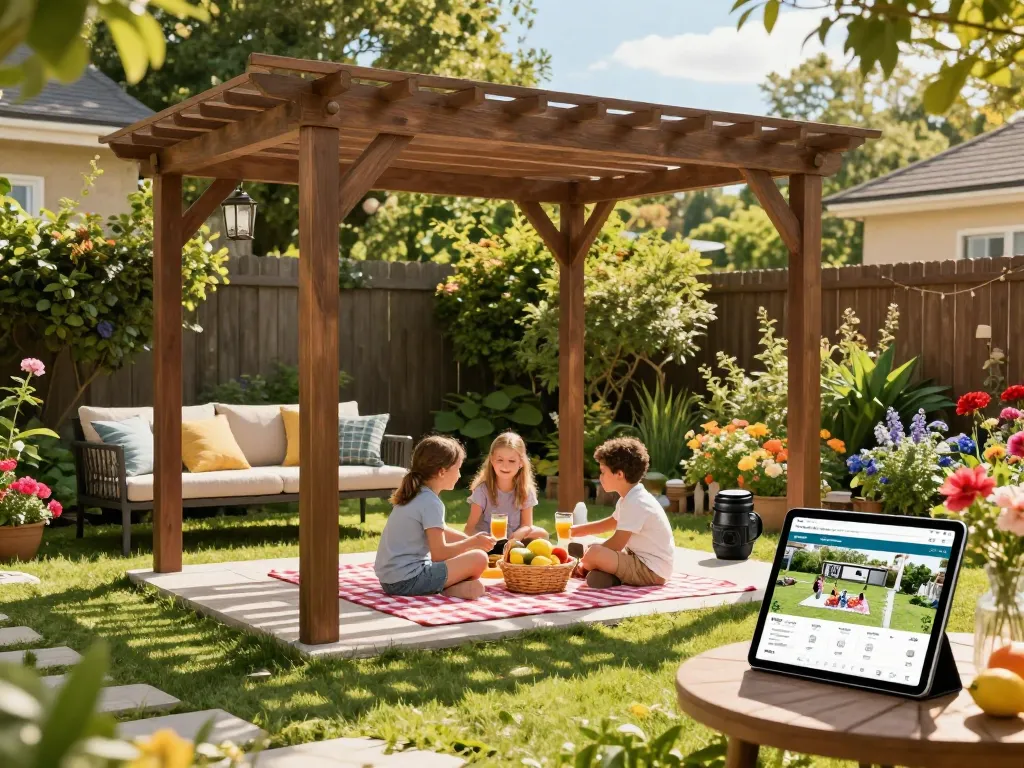
Understanding the Benefits of a 3D Pergola Configurator
In today’s fast-paced world, homeowners are seeking innovative ways to enhance their outdoor spaces, and a 3D pergola configurator plays a crucial role in that journey. This powerful tool allows users to visualize and design their ideal pergola, fostering a personalized approach to outdoor living. Whether you’re looking to add shade for your garden gatherings or create a serene retreat, utilizing advanced configurators can streamline the design process, empowering users to make informed decisions. When exploring options, a 3D pergola configurator provides comprehensive insights to facilitate your design journey.
What is a 3D Pergola Configurator?
A 3D pergola configurator is an interactive digital tool that enables users to design and customize pergolas in a three-dimensional space. This technology allows potential buyers to experiment with various styles, sizes, colors, and materials to visualize how their pergola will complement their existing outdoor design. By manipulating these elements in real-time, users can achieve a tailored design that fits their specific needs and preferences.
Key Advantages of Using a 3D Configurator
- Enhanced Visualization: Users can see a lifelike representation of their pergola, helping to avoid costly design mistakes.
- Customizable Options: Adjust every aspect, from dimensions to materials, ensuring that the final product meets exact specifications.
- Cost Estimation: Many configurators provide instant pricing based on selected features, allowing for better budgeting.
- Integration with AR: Some platforms offer augmented reality features, allowing users to visualize their pergola in their actual outdoor space.
How to Choose the Right Configurator for Your Needs
When selecting a 3D pergola configurator, consider factors such as usability, range of customization options, and integration capabilities with other design tools. Look for user-friendly interfaces that provide clear instructions and tips throughout the design process. Additionally, verify if the configurator can export your design for direct production or further design refinement with professionals.
Step-by-Step Guide to Designing Your Pergola
Gathering Inspiration and Ideas
Before diving into the technical aspects, take the time to gather inspiration. Browse through home improvement magazines, landscaping websites, and social media platforms like Pinterest and Instagram to collect images and ideas that resonate with your vision. Create a mood board to consolidate your design elements, colors, and styles. This board will serve as a useful reference as you begin your design process.
Selecting Materials and Styles for Your Pergola
The material you choose for your pergola significantly impacts its aesthetics and durability. Common materials include wood, aluminum, and vinyl, each offering unique visual qualities and maintenance requirements. Consider your local climate, the pergola’s intended use, and your personal style when selecting materials. Popular styles range from traditional wooden structures to sleek, modern aluminum designs. Use the configurator to play around with various options until you find the perfect match for your home.
Utilizing the 3D Configurator for Accurate Visualization
Once you’ve gathered your ideas and selected your materials, it’s time to use the configurator. Start by inputting your desired dimensions and select your preferred style. Experiment with different colors and finishes to see how they complement your home and landscape. The configurator allows you to rotate and view your design from multiple angles, ensuring that you achieve the perfect layout.
Common Challenges When Using 3D Pergola Configurators
Understanding Technical Limitations
While 3D configurators are powerful tools, they may come with limitations such as rendering speed, detail levels, and compatibility with various devices. Ensure your device meets the software requirements for optimal performance. In some instances, high-resolution images may take longer to load, which could impact your design experience.
Overcoming Design Constraints and Preferences
Every design tool has its constraints, including preset templates or limited materials. If you find that the configurator does not include your desired elements, consider reaching out to customer support or exploring alternative design platforms. Some tools allow for greater flexibility and custom features, enhancing your overall creative freedom.
Tips for Efficient Configuration Processes
To optimize your design experience, follow these tips:
- Start with a clear vision; refer to your inspiration board.
- Familiarize yourself with the configurator’s interface before diving in.
- Utilize saved designs to compare options without starting from scratch.
- Regularly check the pricing as you make changes to stay within budget.
Real-World Applications of 3D Pergola Configurators
Case Study: Successful Pergola Installations
Consider a scenario where a family used a 3D pergola configurator to design their outdoor space. They began by selecting a louvered roof pergola, allowing them to control sun exposure during family gatherings. After experimenting with different styles and finishes, they settled on a low-maintenance aluminum structure with a sleek, modern design. The configurator helped them visualize their project and resulted in a successful installation that perfectly matched their home’s aesthetic.
Transforming Outdoor Spaces with 3D Configurator Designs
Using a 3D configurator not only helps in designing a pergola but can also transform entire outdoor spaces. Imagine a backyard that goes from mundane to stunning with the addition of a beautifully designed pergola, lush landscaping, and well-placed outdoor furniture. The visual representation allows homeowners to make strategic decisions about layout, enhancing functionality and aesthetics simultaneously.
Customer Testimonials and Feedback
Many users have reported positive experiences when utilizing 3D pergola configurators. Customers appreciate the enhanced visibility that allows them to make timely decisions without alteration worries. They often cite the ease of use and the practical insights gained during the visualization process, boosting their confidence before committing to a design.
Future Trends in Outdoor Design and 3D Technology for 2026
Emerging Technologies Influencing Outdoor Design
As technology continues to advance, the landscape of outdoor design is evolving. Expect to see increased integration of artificial intelligence in configurators, enabling users to receive tailored suggestions based on their preferences. Furthermore, virtual reality (VR) could offer immersive experiences, allowing potential buyers to “walk” through their designs before construction.
Predictions for 3D Design Tools in Landscaping
By 2026, 3D design tools are likely to become increasingly sophisticated, offering more realistic simulations and the ability to incorporate environmental factors such as sunlight and shade. Enhanced features could include predictive modeling to help users visualize long-term impacts of their designs on their outdoor spaces.
How Sustainability is Shaping Future Outdoor Spaces
As sustainability becomes a core consideration for homeowners, 3D pergola configurators will likely integrate features that promote eco-friendly design options. This can include simulations of solar panel installations on pergolas, the use of recyclable materials, and features that help manage rainwater runoff, ensuring designed spaces contribute positively to the environment.
What features should I look for in a 3D pergola configurator?
Opt for configurators that offer extensive customization options, quality rendering, user-friendly interfaces, and integration with AR technology. These features will enhance your design experience and ease the realization of your vision.
Can I really customize my pergola using a configurator?
Absolutely! A well-designed 3D pergola configurator allows for extensive customization, including size, style, materials, and colors, enabling you to create a structure that reflects your personal style.
Are there affordable options for 3D pergola design tools?
Many online configurators offer free or low-cost versions with fundamental features. However, investing in advanced tools may provide additional functionality that justifies the price for serious design enthusiasts.
What materials work best for outdoor pergolas?
Common materials include wood, aluminum, and vinyl. Each material possesses unique characteristics; wood offers a classic aesthetic but requires more maintenance, while aluminum is durable and low-maintenance, making it perfect for modern settings.
How do I start designing my own pergola online?
Begin by identifying your requirements and gathering design inspiration. Then, select a reputable online 3D configurator, input your parameters, and start experimenting with styles, materials, and colors to create your dream pergola.



More Stories
Transform Your Space with American Standard Fixtures for Style and Functionality
Achieving Luxurious Living with Elegant Showers au in Modern Bathrooms
Die Vorteile und Eigenschaften der sonni Duschkabine für Ihr Badezimmer