
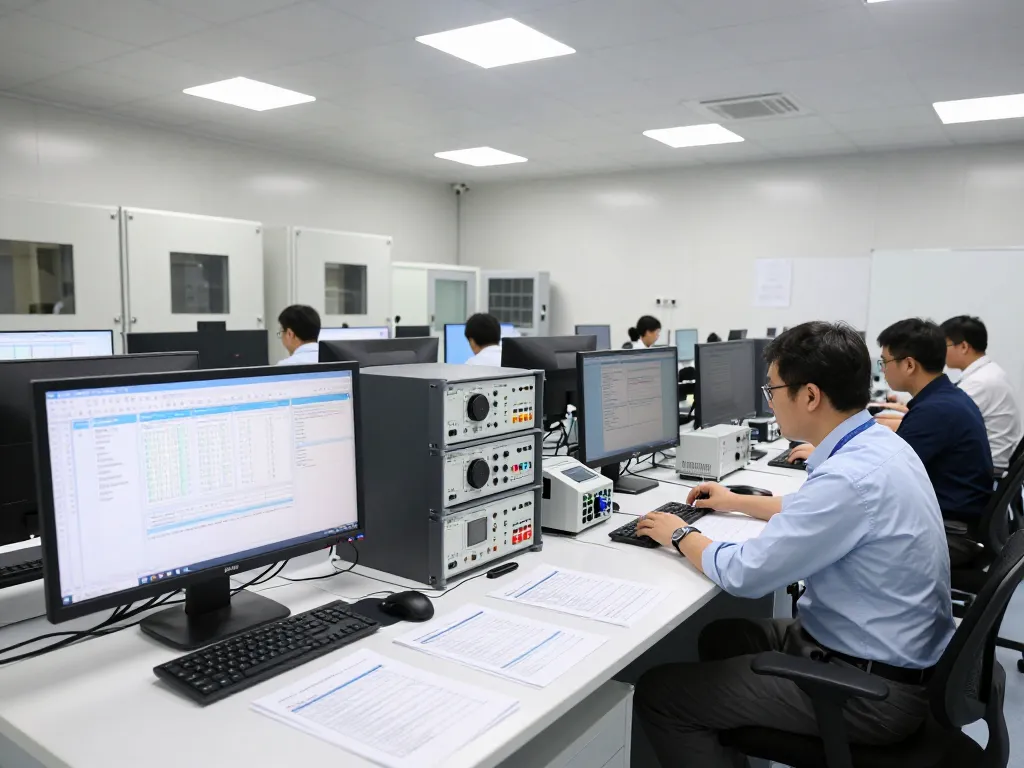
Understanding ICES Compliance and Its Importance
In an increasingly interconnected world, products must adhere to stringent electromagnetic compatibility (EMC) standards. One such critical standard is the ICES (Interference-Causing Equipment Standards), which ensures that electronic devices can operate without causing or suffering from electromagnetic interference. The need for compliance with these standards is not just a regulatory obligation; it plays a pivotal role in product success across various industries, including telecommunications, automotive, and healthcare. When exploring options, ICES compliance is integral to ensuring the reliable operation of electronic products while safeguarding against potential market limitations.
What is ICES Compliance?
ICES compliance refers to a set of regulations and standards designed to control electromagnetic interference (EMI) produced by electronic devices. These standards are typically enforced by institutions such as the Canadian Radio-television and Telecommunications Commission (CRTC) in Canada and the Federal Communications Commission (FCC) in the United States. By achieving ICES compliance, manufacturers ensure their products do not disrupt electronic devices nearby, thus maintaining the integrity of communications and safety standards.
Why ICES Compliance Matters for Your Products
The relevance of ICES compliance extends beyond mere regulatory requirements. It significantly impacts product acceptance in the market, consumer safety, and product longevity. Non-compliance can lead to product recalls, legal penalties, and damage to the brand’s reputation. Moreover, achieving ICES compliance facilitates smoother market entry, as products that meet these specifications typically face fewer hurdles during certification processes and regulatory reviews.
Common Challenges in Achieving ICES Compliance
Achieving ICES compliance poses unique challenges, including:
- Technical Complexity: Understanding various testing standards and regulations can be overwhelming for manufacturers.
- Resource Allocation: Compliance testing often requires significant financial and human resources, which can strain smaller organizations.
- Rapid Technological Changes: The pace of technological advancements can make it difficult for products to keep up with evolving standards.
- Documentation and Reporting: Accurate documentation of testing processes and results is crucial yet often overlooked.
Key ICES Compliance Testing Procedures
Step-by-Step Overview of EMC Testing
Understanding the EMC testing process is essential for manufacturers aiming to achieve ICES compliance. The testing process typically involves the following steps:
- Initial Consultation: Work with compliance experts to determine specific testing requirements based on product type and intended use.
- Pre-Testing Evaluation: Assess existing designs to identify potential EMC issues before formal testing.
- Conduct Testing: Perform conducted and radiated emission tests within a controlled testing environment.
- Analyze Results: Review test findings with compliance engineers to determine if the product meets the necessary standards.
- Modify Design if Necessary: If the product fails to meet compliance, implement design changes and retest.
- Final Certification: Upon passing all tests, submit the product for certification with the appropriate regulatory body.
Documenting Test Results for Compliance
Proper documentation is vital in demonstrating compliance with ICES standards. This includes maintaining clear records of test methodologies, results, and any modifications made to the product during development. Comprehensive documentation not only aids in certification but also provides valuable insights for future product iterations, ensuring ongoing compliance as standards evolve.
Conducted and Radiated Emissions Testing Explained
Conducted emissions testing measures the EMI a device emits through its power lines, while radiated emissions testing assesses the interference emitted through the air. Both testing methodologies are crucial for determining the overall compliance of electronic products with ICES standards. Understanding the nuances of these tests can be vital for accurate product evaluations and successful certification.
Industry-Specific ICES Compliance Considerations
Telecommunications and ICES Standards
In telecommunications, the rapid advancement of technology necessitates strict adherence to ICES standards. Devices such as routers, cell phones, and network equipment must undergo rigorous EMC testing to prevent interference that could disrupt communications. Failure to comply can result in significant operational challenges and loss of market share.
Automotive ICES Compliance Best Practices
The automotive industry faces specific challenges regarding EMC compliance due to the complex interaction between various electronic components. Implementing best practices such as early design considerations for EMC, thorough component testing, and continuous monitoring throughout the vehicle’s lifecycle is crucial for ensuring compliance and safety.
Medical Device Compliance and Regulatory Overview
Medical devices must adhere to stringent ICES regulations to minimize risks associated with EMI. Compliance is critical not only for regulatory approval but also for patient safety. Manufacturers should emphasize robust testing protocols and incorporate compliance checks at all stages of product development to meet both ICES and additional medical regulations.
Innovative Solutions for Streamlined ICES Testing
Utilizing Advanced Technology in Testing Labs
The evolution of EMC testing technology has significantly enhanced the accuracy and efficiency of compliance testing. Innovations such as automated testing systems and advanced simulation software are enabling laboratories to deliver faster results with greater precision. These technologies not only expedite the testing process but also reduce costs associated with compliance.
Integrating Compliance into Product Design
Integrating compliance considerations into the product design phase can dramatically reduce the likelihood of costly rework. By collaborating closely with design engineers, compliance testing experts can identify potential EMC issues early, facilitating smoother product development and quicker market entry.
Consultation and Assistance for ICES Compliance
For companies unsure about their compliance obligations, seeking expert consultation can provide clarity and direction. Experienced professionals can offer tailored advice specific to industry demands, ensuring that organizations remain compliant with ICES standards while focusing on their core business operations.
Future Trends in ICES Compliance Testing (2026 and Beyond)
Regulatory Changes on the Horizon
As technology continues to evolve, so too will the regulations governing ICES compliance. Anticipated changes include updates to existing standards to accommodate next-generation technologies such as 5G and IoT devices. Companies should stay informed about these developments to ensure ongoing compliance and maintain competitive advantage.
Emerging Technologies Impacting ICES Standards
Technologies such as artificial intelligence and machine learning are beginning to play pivotal roles in compliance testing. These advancements can help analyze complex datasets from testing more effectively, enabling manufacturers to identify compliance issues swiftly and accurately.
Preparing Your Business for Future Compliance Challenges
To navigate future compliance challenges effectively, businesses must adopt a proactive approach. This includes investing in training for staff on compliance protocols, staying current with industry trends, and engaging with testing labs that are at the forefront of technological advancements in compliance testing.
What is ICES Compliance Testing?
ICES compliance testing is a process that evaluates how well an electronic device performs within the guidelines set forth by ICES standards. This includes assessing conducted and radiated emissions to ensure that products do not interfere with other electronic devices.
How Can I Ensure My Product Meets ICES Standards?
Ensuring compliance with ICES standards requires a collaborative approach between product design, engineering, and compliance teams. Early testing and thorough documentation are essential, as is using recognized testing laboratories with a proven track record.
What Industries Are Most Affected by ICES Regulations?
Industries most affected by ICES regulations include telecommunications, automotive, medical devices, and consumer electronics. Each sector faces unique challenges regarding compliance, necessitating tailored strategies to ensure adherence to ICES standards.
What Are the Consequences of Non-Compliance?
Non-compliance with ICES standards can result in legal penalties, product recalls, and irreversible damage to brand reputation. Companies may also face delays in product launches and increased costs due to the need for rework and additional testing.
How Often Should ICES Testing Be Conducted?
The frequency of ICES testing depends on various factors, including product updates and regulatory changes. It’s recommended to conduct testing at crucial development milestones and whenever significant design alterations are made to ensure compliance throughout the product lifecycle.


More Stories
Key Innovations Driving Heavy Industry and Engineering Success
Proven Efficiency of Photovoltaic Modules in 2026: Maximize Your Energy Solutions
Expert Insights from a Manhattan Commercial General Contractor