
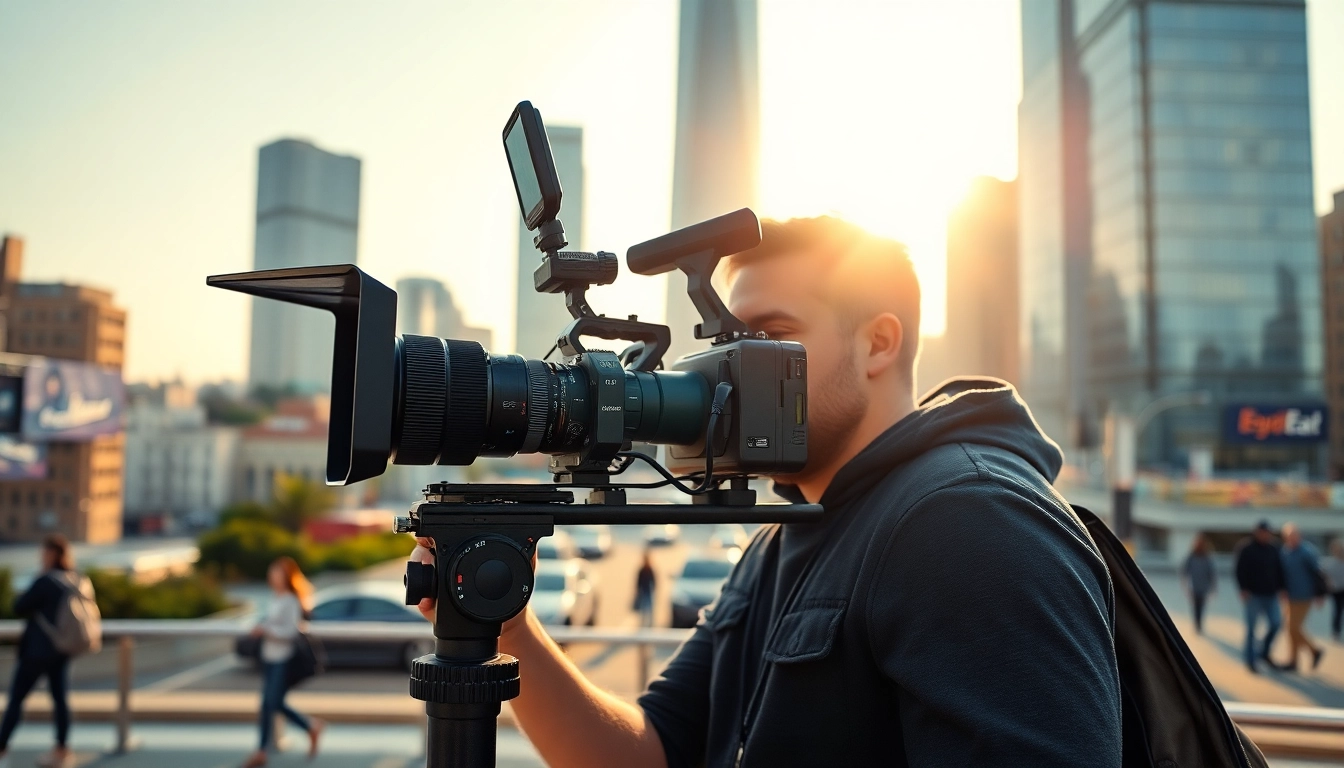
Understanding Commercial videography
In an age where visual content reigns supreme, Commercial videography has emerged as a powerful tool for businesses to tell their stories, showcase their products, and connect with their audiences. Whether you’re a small business owner or part of a large corporation, understanding the nuances of commercial videography can significantly impact your marketing strategy.
The Essence of Commercial videography
At its core, commercial videography is about creating visually engaging content aimed at promoting products, services, or ideas. Unlike traditional filmmaking, which often prioritizes art and storytelling, commercial videography focuses on delivering messages effectively and persuasively. It integrates marketing strategies with storytelling techniques, creating a compelling narrative that resonates with viewers. This unique blend enables businesses to not just showcase their offerings, but to position their brand in the marketplace.
Key Components of Effective Commercial videography
Several essential components contribute to the success of commercial videography:
- Clarity of Purpose: Every commercial video should have a clear objective, whether it’s to increase brand awareness, generate leads, or promote a specific product.
- Target Audience Understanding: Knowing your audience is crucial. The content must speak directly to the needs and preferences of your audience to drive engagement.
- Strong Visual Aesthetics: High-quality visuals that are appealing and pertinent to the brand message are essential to catch attention and retain viewers.
- Engaging Script: The narrative should be compelling, often following a structure that introduces the problem, presents the solution, and calls to action.
How Commercial videography Differs from Other Video Formats
Commercial videography stands apart from other video formats such as corporate presentations, documentaries, or artistic films by its focus on marketing and persuasion. While a documentary may aim to inform or entertain the audience, commercial videography seeks to provoke action, whether that’s making a purchase, sharing content, or visiting a website. The use of cinematic techniques, combined with strategic messaging, differentiates commercial videography from other forms of video production.
Essential Equipment for Commercial videography
Choosing the Right Camera for Commercial videography
Selecting the appropriate camera is paramount in commercial videography. Professional-grade cameras like DSLRs or mirrorless models are ideal for high-quality outputs. Factors to consider include:
- Resolution: Opt for cameras that support 4K or higher resolution for stunning visuals.
- Frame Rate: A camera that supports variable frame rates allows for creative flexibility, including slow-motion sequences.
- Interchangeable Lenses: This feature provides versatility in capturing various types of shots from wide angles to close-ups.
Must-Have Accessories for Optimal Results
Alongside the camera, several accessories enhance the quality of commercial videos:
- Tripods and Stabilizers: These tools are essential for maintaining steady shots, avoiding the shaky footage that can detract from professionalism.
- Lighting Equipment: The right lighting setup ensures that subjects are well-lit, reducing shadows and enhancing the visual appeal.
- Filters: ND and polarizing filters can help manage light exposure and improve image quality.
Sound Equipment and Its Importance in Commercial videography
Quality sound can make or break a video. Viewers can tolerate less-than-perfect visuals but are highly sensitive to poor audio quality. Essential sound equipment includes:
- Microphones: Invest in high-quality shotgun or lavalier mics to capture clear audio.
- Audio Recorders: These devices help ensure sound is captured at the highest quality without interference.
- Headphones: Always monitor audio in real time to catch any issues during recording.
Techniques to Enhance Your Commercial videography
Storyboarding and Planning for Commercial videography
Pre-production planning is essential for effective commercial videography. Storyboarding helps visualize the video’s flow and structure, ensuring that every aspect aligns with the overall message. Each frame should be thoughtfully composed to maximize its impact. Key steps include:
- Defining Objectives: Clearly establish the goals of your video before creating a storyboard.
- Visualizing Scenes: Sketching out scenes helps to identify necessary shots and establish transitions.
- Determining Timing: Setting a rough duration for each segment allows you to pace the video effectively.
Utilizing Lighting Effectively in Commercial videography
Lighting can dramatically influence the mood and quality of a video. Three-point lighting is a standard technique that adds depth and dimension:
- Key Light: The primary source of illumination that highlights the subject.
- Fill Light: This softens shadows created by the key light and adds balance.
- Back Light: Placed behind the subject to create an outline effect, adding depth.
Experimenting with natural and artificial light sources can provide unique looks and enhance production value.
Advanced Filming Techniques for Stunning Visuals
To elevate commercial videos beyond basic production, employing advanced filming techniques is essential. Techniques such as:
- Moving Shots: Use sliders or drones for dynamic movements that create a more engaging experience.
- Close-Up Shots: Highlight intricate details, helping to enhance product appeal.
- Depth of Field: Utilize shallow depth to focus on the subject while blurring out distractions in the background.
These techniques enhance the storytelling aspect of commercial videos, making them more impactful.
Post-Production Tips for Commercial videography
Editing Software: Best Options for Commercial videography
Once filming is complete, post-production begins, where the magic of editing brings the video to life. Popular editing software includes:
- Adobe Premiere Pro: A comprehensive tool with advanced features suitable for professionals.
- Final Cut Pro X: Ideal for Mac users, offering an intuitive interface and robust capabilities.
- DaVinci Resolve: Renowned for its color grading tools along with powerful editing features.
Select software that aligns with your skill level and project needs, ensuring efficient and effective editing processes.
Color Grading and Its Impact on the Final Product
Color grading is a pivotal part of the post-production process that significantly enhances the visual storytelling of commercial videos. Different color palettes can evoke various emotions and align with branding. Key points to consider:
- Consistency: Ensure that colors are consistent throughout the video for a professional finish.
- Visual Mood: Choose color tones that align with the desired emotional response.
- Software Tools: Familiarize yourself with color grading tools within your selected editing software for best results.
Adding Sound and Music: Creating Atmosphere in Commercial videography
Sound design is as crucial as visuals in commercial videography. The right soundtrack can elevate the viewing experience:
- Royalty-Free Music: Consider sources like Epidemic Sound or Artlist for high-quality tracks that suit various moods.
- Sound Effects: Adding relevant sound effects can heighten engagement and enhance viewers’ immersion.
- Voiceovers: A professional voiceover can help convey key messages and make the content more relatable.
Common Challenges in Commercial videography and How to Overcome Them
Navigating Client Expectations
One of the biggest challenges in commercial videography is managing client expectations. Clear communication from the outset is essential. Establishing a detailed brief helps in aligning visions and reducing misunderstandings. Regular updates during production can ensure that clients feel involved and satisfied with the ongoing process.
Managing Time and Budget Constraints
Time and budget restrictions are a common plight in commercial videography. Implementing efficient project management practices can help. Create a comprehensive timeline that outlines each production phase, use scheduling tools to keep track, and continuously monitor expenditures. Be transparent with clients about any changes or adjustments that may impact costs or timelines.
Staying Creative Under Pressure in Commercial videography
Maintaining creativity is crucial, especially when dealing with tight deadlines. Employ brainstorming sessions with your team to generate fresh ideas and encourage collaborative challenges to spark creativity. Viewing other successful campaigns can provide inspiration. Lastly, take short breaks to refresh your mind, enabling better problem-solving and creativity.
FAQs About Commercial videography
What is Commercial videography?
Commercial videography focuses on creating video content for businesses to promote their products or services.
How can I improve my Commercial videography skills?
Practice regularly, study different styles, and seek feedback from experienced videographers.
What equipment do I need for Commercial videography?
You’ll need a quality camera, lenses, tripods, lighting equipment, and sound gear for best results.
How important is storytelling in Commercial videography?
Storytelling is crucial; it engages the audience and helps communicate the brand message effectively.
What are common challenges faced in Commercial videography?
Challenges include managing client expectations, time constraints, and maintaining creativity under pressure.



More Stories
The Evolution of 시흥출장안마: From Past to 2026 – Essential Insights for Quality Wellness Experience
Contabilitate SRL: Minciuni Expuse – Adevăruri Esențiale pentru Afaceri În 2026
* Technician Dispatch Software Explained Simply for Every Service Provider