
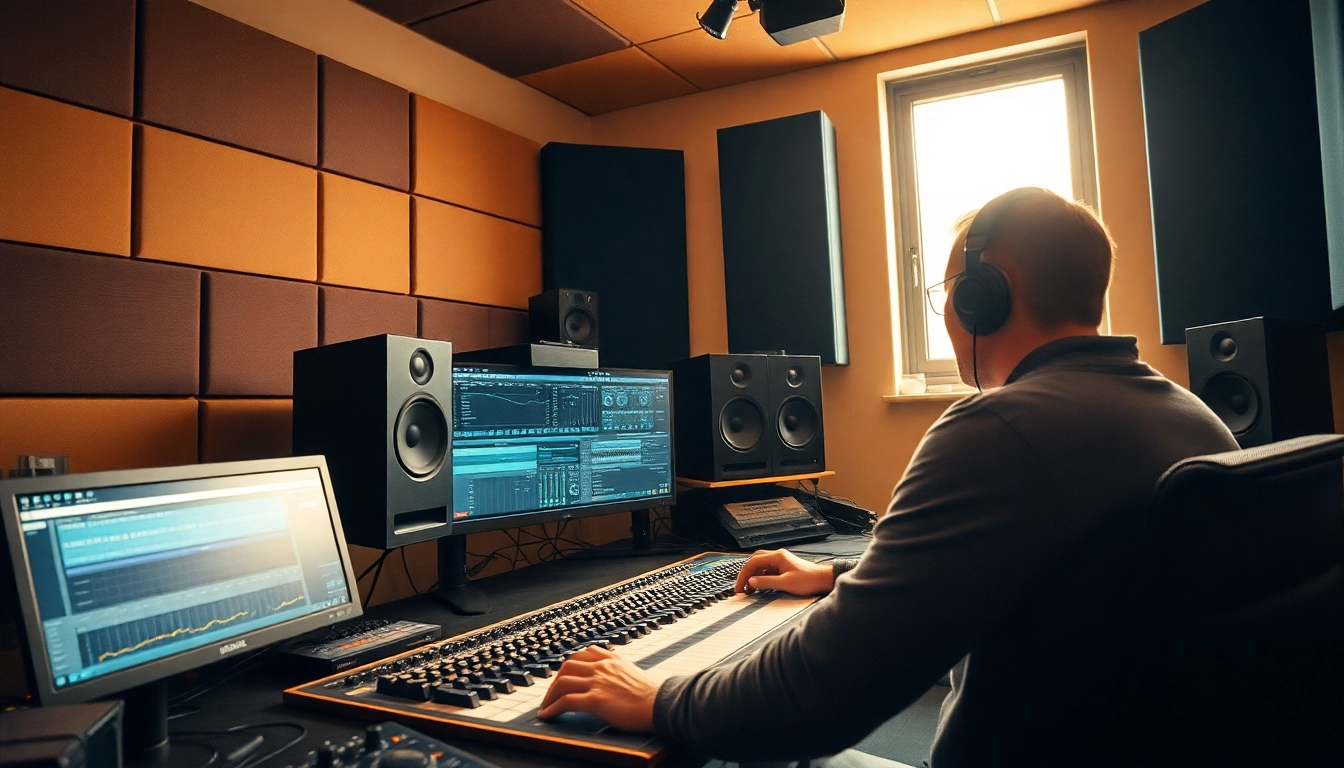
Understanding Online Mastering
What is Online Mastering?
Online mastering refers to the process of preparing and transferring recorded audio from a source to a data storage device. This procedure is crucial for enhancing the overall sound quality of a song, album, or audio project and is typically the final step before distribution. Unlike traditional mastering methods, which often involve physical studio presence and equipment, online mastering enables artists and producers to upload digital tracks to a mastering service where audio engineers finalize them. With advancements in technology, online mastering has become accessible, allowing musicians worldwide to achieve professional-quality results without the need for expensive studio time.
The Importance of Mastering in Music Production
Mastering plays a pivotal role in the music production process. It ensures that tracks sound consistent across different playback systems, including radios, headphones, and streaming services. By applying equalization, compression, and limiting, mastering engineers can enhance audio quality while making crucial adjustments that bring the track to commercial standards. This final polish not only improves the sonic character of the music but also prepares it for various formats, from vinyl to digital streaming, making it suitable for a wide range of listeners.
Common Misconceptions about Online Mastering
Despite its growing popularity, many misconceptions surround online mastering. Some believe it lacks the personal touch of traditional mastering, while others think it cannot achieve high-quality results. However, reputable online mastering services employ experienced engineers with the skills and tools necessary to produce excellent outcomes. Furthermore, many online platforms allow for client feedback, providing a collaborative environment that can induce continuous improvement and personal preference integration in mastering decisions. Understanding these misconceptions helps artists recognize the true potential of online mastering platforms.
Choosing an Online Mastering Service
How to Evaluate Online Mastering Options
Choosing the right online mastering service can be daunting, given the multitude of options available. Factors to consider include the experience and reputation of the mastering engineers, the quality of the listening samples provided, and customer testimonials. It is also essential to evaluate the technology used by the service, such as AI-driven tools versus traditional approaches, and whether these methods align with your artistic vision. Once you’ve narrowed down your options, it might be beneficial to test a few providers with a short track to gauge their capabilities.
Best Practices for Submitting Your Track
When submitting your track to an online mastering service, adhere to best practices to maximize the quality of the final product. Ensure your mix is as polished as possible, leaving some headroom (typically around -6dB) to prevent clipping. Provide notes about your musical style and specific preferences regarding dynamics, loudness, and tonal balance. Listening to reference tracks can help you articulate your vision to the mastering engineer effectively, enhancing communication and ultimately leading to a final product that meets your expectations.
Factors Affecting Online Mastering Costs
Online mastering costs can vary widely based on several factors, including the reputation of the service provider, complexity of the track, and level of customization requested. Some platforms offer tiered pricing based on the number of revisions or additional services such as format conversion. Additionally, special requests, such as stem mastering—where individual elements of the track are mastered separately—can increase costs. Understanding these factors can help you allocate your budget effectively for the best possible results.
Techniques for Achieving High-Quality Masters
Essential Tools for Online Mastering
To achieve top-notch quality in online mastering, utilizing the right tools is crucial. Premium digital audio workstations (DAWs), mastering plugins, and analog emulation tools can significantly enhance the audio’s character. Compression, equalization, and stereo widening plugins are fundamental elements, while metering tools ensure that the loudness is at industry standards. Audiophiles also often use high-end monitors and headphones to accurately judge the sonic quality of the tracks. Familiarizing yourself with the latest tools enhances not only the mastering process but also overall sound quality.
Mixing Tips Before Mastering
A good mix is the foundation of effective mastering. Preparing your mix with certain guidelines can ease the mastering process. For instance, use high-quality audio sources, check for phase issues, and employ proper gain staging. It’s important to avoid excessive processing; a clean mix allows the mastering engineer to work more effectively. Additionally, listen on a variety of playback systems to ensure your mix translates well across different devices. This step is often overlooked but is crucial in delivering a quality track.
Common Mistakes to Avoid During Online Mastering
Avoiding common pitfalls can improve your online mastering experience. One major mistake is over-compression, which can destroy the life of your track, leading to a flat sound. Additionally, neglecting to provide clear instructions or feedback can hinder the outcome. Ensure you communicate specific thoughts about what you want and don’t want. Lastly, rushing the process can lead to missed opportunities for improvement; taking the time to accurately evaluate and refine your tracks before finalizing them is beneficial.
Understanding Audio Formats and Specifications
Ideal File Formats for Online Mastering
The choice of file format can significantly impact the mastering process. Generally, it is recommended to provide tracks in WAV or AIFF format, as these lossless audio types retain quality better than compressed formats like MP3. High-resolution audio files (24-bit/96kHz, for example) are preferred, offering more headroom and dynamic range for the mastering process. Understanding these specifications can give your track a better chance of sounding its best post-mastering.
Sample Rates and Bit Depth: What You Need to Know
Sample rates and bit depth are crucial technical aspects of mastering that influence the final sound quality. The sample rate refers to the number of samples per second taken from a sound wave, while bit depth affects the dynamic range of the audio. Common practice includes using a sample rate of 44.1 kHz or higher and a bit depth of 24 bits. If your original recordings are at a higher sample rate or bit depth, maintain these formats throughout the mastering process to preserve musical integrity.
Preparing Your Files for Online Mastering
Before sending your files for online mastering, ensure that they are properly prepared. Organize your session files neatly, labeling them clearly to avoid confusion. Remove any unnecessary plugins or effects that could interfere with the mastering engineer’s work. Additionally, consider exporting your stems if requested, as this can allow for greater creative flexibility. Quality control is essential; review your files meticulously to catch any errors before submission.
Evaluating the Outcome
How to Assess Your Master’s Quality
Evaluating the quality of your master requires a critical listening process. First, ensure that it plays back seamlessly at various volumes, checking both loudness and quietness. Listen across multiple systems—from studio monitors to earbuds—to gauge how it translates. Look for clarity, depth, and balance among frequency ranges. Are the bass and treble levels well defined? Does the track retain its character? Engaging with these questions will help you objectively assess the quality of your master.
Getting Feedback from Professional Audiophiles
Seeking feedback from industry professionals can offer invaluable insights. Share your master with trusted peers or professional audiophiles who can provide an unbiased, technical assessment. Ask targeted questions about specific areas of the mix and master. Be open to constructive criticism, as it can provide perspectives you may overlook. Establishing relationships with experienced individuals in the industry can pave the way for future collaborations and learning opportunities.
Utilizing Analytics for Future Projects
Incorporating analytics into your production process will assist in improving the quality of future projects. Many music streaming services offer detailed insights into listener behaviors, which can inform your sound design and production techniques. Consider factors such as listener count over time, preferred genres, and demographic data to better understand your audience. This information can guide your artistic decisions, ensuring that your sound evolves in a manner that resonates with your target listeners.
Frequently Asked Questions
What is online mastering?
Online mastering is the process of preparing audio tracks for distribution using digital platforms, allowing artists to finalize their sound remotely.
How do I choose an online mastering service?
Evaluate services based on reviews, engineer experience, sample quality, and clear communication to make an informed decision.
What file format should I submit for mastering?
WAV or AIFF formats are recommended because they are lossless, preserving audio quality for the mastering process.
How can I prepare my mix for online mastering?
Ensure your mix is polished, leave headroom, and provide notes on your preferences for dynamics and tonal balance.
What are common mistakes to avoid during mastering?
Avoid over-compression, lack of communication with mastering engineers, and rushing the process, as these can negatively affect the final product.


More Stories
What Changed About ai ecchi in 2026? Essential Insights for Anime Art Lovers
Essential Pikashow APK v92: Unlimited Movies for 2026 Streaming
Mastering NSFW Content Creation: 5 Essential Strategies for 2026