
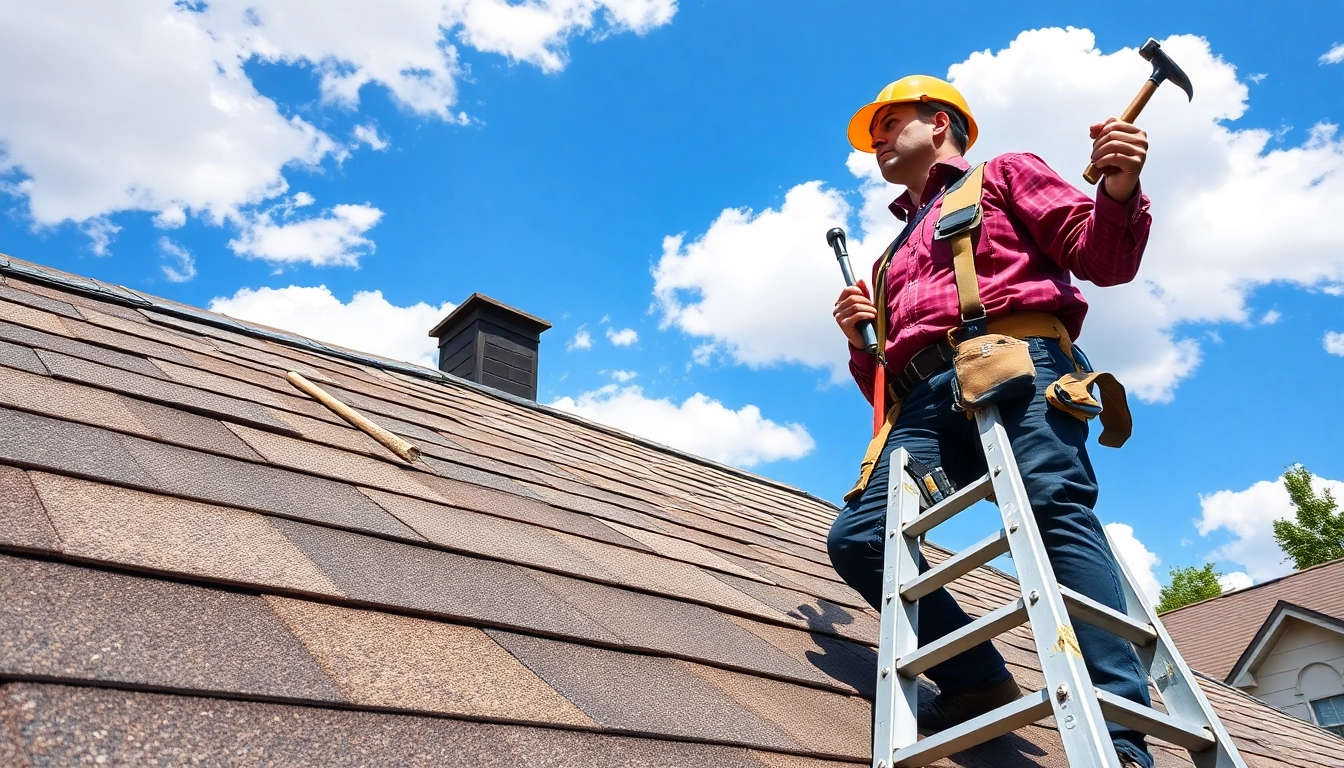
Understanding the Role of a Roofing Contractor
When it comes to maintaining or replacing your roof, understanding the role of a Roofing contractor is crucial. These professionals are responsible for a significant aspect of your home’s integrity, ensuring safety, functionality, and aesthetics. This article will explore the tasks that roofing contractors perform and shed light on the importance of hiring qualified professionals for your roofing needs.
What Does a Roofing Contractor Do?
A roofing contractor is specialized in the installation, repair, and maintenance of roofs. Their core responsibilities can be grouped into several key areas:
- Assessment: Contractors begin by evaluating the condition of existing roofing systems to determine whether repairs or a complete replacement is needed.
- Installation: They handle the installation of new roofing materials, ensuring proper adherence to local codes and manufacturer guidelines.
- Repairs: Experienced contractors perform repairs on damaged roofs, handling issues like leaks, missing shingles, and other concerns to prevent further deterioration.
- Maintenance: Regular maintenance by roofing contractors can prolong the lifespan of your roof, providing inspections and necessary upkeep.
- Cleanup: After roofing work is completed, contractors typically conduct thorough clean-up to eliminate debris and ensure your property is left in good condition.
Importance of Hiring Licensed Roofing Contractors
Hiring licensed roofing contractors is crucial for several reasons:
- Expertise: Licensed contractors have undergone training and possess the knowledge necessary to perform roofing tasks correctly and safely.
- Compliance: They adhere to local regulations and building codes, minimizing legal issues for homeowners on inspections and potential liabilities.
- Insurance protection: A licensed contractor is usually insured, protecting you from liability in case of accidents during the project.
- Warranty assurance: Work performed by licensed contractors often comes with warranties, giving you peace of mind regarding the quality and durability of the installation or repair.
Types of Roofing Projects Handled by Contractors
Roofing contractors manage a variety of projects that can be categorized into:
- Residential Roofing: This includes installation and repair of roofs for homes, involving materials like asphalt shingles, metal, or tile.
- Commercial Roofing: Contractors often work on larger buildings, utilizing commercial roofing materials like TPO or EPDM, which are designed for flat roofs.
- Emergency Repairs: Storm damage can necessitate unauthorized repairs, which contractors handle promptly to prevent further property damage.
- Roof Inspections: Some contractors provide inspection services, identifying potential issues before they escalate into significant problems.
Evaluating Roofing Contractors
Choosing the right roofing contractor can be challenging. Here are some effective strategies for evaluating potential candidates to ensure quality work.
How to Research Local Roofing Contractors?
Begin your search by gathering a list of local roofing contractors. Use online resources, community boards, and word-of-mouth recommendations to identify potential candidates:
- Online Search: Utilize platforms like Google, Yelp, or Angie’s List and review their ratings and feedback.
- Community Recommendations: Ask friends, family, or neighbors who have had work done recently for their experiences.
- Local Trade Associations: Consult local roofing associations for a list of reputable contractors in your area.
Identifying Reviews and Testimonials
Reviews and testimonials provide insights into past performance. When evaluating contractors, consider the following:
- Consistent Quality: Look for contractors with consistently positive reviews rather than isolated praise.
- Detailed Feedback: Focus on detailed feedback about the contractor’s professionalism, cleanliness, and communication skills.
- Response to Negative Reviews: A responsive contractor who addresses negative comments showcases their commitment to customer satisfaction.
Checking Experience and Portfolio
Experience matters significantly in roofing projects. Assess potential contractors by reviewing:
- Years in Business: Contractors with extensive experience are better equipped to handle various roofing projects.
- Specialization: Ensure the contractor’s experience aligns with your specific roofing needs.
- Portfolio of Work: Request to see past work, which showcases the range and quality of their roofing projects.
Estimates and Contracts with Roofing Contractors
An accurate estimate and a detailed contract are vital components for a successful roofing project. Here’s how to navigate this process effectively.
How to Get an Accurate Roofing Estimate?
When obtaining estimates, keep these tips in mind:
- Detailed Inspection: Ask contractors to conduct a thorough inspection before providing estimates.
- Written Estimates: Ensure that you receive written estimates that break down costs by labor, materials, and potential extra charges.
- Multiple Quotes: Compare at least three different quotes for a well-rounded view of the market.
Understanding Roofing Contracts: Key Elements
A contract should spell out the terms of the project clearly. The following elements are essential to any roofing contract:
- Scope of Work: A clear description of the services provided, including specifics about materials and labor.
- Project Timeline: An overview of project start and completion dates, along with phase milestones.
- Payment Terms: Clearly state pricing, payment schedules, and any deposit requirements.
- Warranties: Details on warranties for both the materials used and the work performed.
What to Watch For in Contract Terms?
Before signing, pay keen attention to specific contract terms:
- Change Order Policy: Understand how changes to the project will be handled and what will trigger additional charges.
- Liability Coverage: Ensure the contractor has sufficient insurance coverage to protect against potential accidents.
- Termination Clause: Clarify conditions under which the contract can be terminated by either party.
Managing the Roofing Project
Managing your roofing project effectively requires clear communication and monitoring of the work. Keep these strategies in mind for a successful collaboration with your contractor.
Setting Clear Communication with Your Contractor
Clear communication is essential for any successful project. Here’s how to foster it:
- Initial Meeting: Discuss your expectations, preferences, and any concerns during the initial meeting.
- Regular Updates: Request systematic updates about the project’s progress, allowing you to address issues promptly.
- Designate a Point of Contact: Maintain a designated individual (either you or a representative) for communication to streamline updates.
How to Ensure Safety During Roofing Projects
Safety should be a priority during roofing projects. Here’s how to ensure a safe environment:
- OSHA Compliance: Verify that your contractor follows OSHA safety protocols and has a safety plan for the crew.
- Protective Measures: Check for protective measures such as harnesses and scaffolding to minimize accidents.
- Secure the Work Area: Keep the area surrounding the project secure to prevent unauthorized access.
Monitoring Progress and Quality of Work
To ensure high-quality work, monitor the project’s progress throughout its duration:
- Site Visits: Conduct regular site visits to observe the work being done and the materials being used.
- Third-party Inspections: Consider employing a third-party inspector for a professional assessment of the work quality.
- Document Changes: Keep records of any changes made during the project, including adjustments to the original contract.
Post-Completion Considerations
After the completion of your roofing project, there are several important aspects to consider to ensure long-term satisfaction and performance.
Final Inspection Checklist for Your Roof
Conduct a final inspection once the project is complete. Include the following elements in your checklist:
- Visual Inspection: Check for any visible defects or missed areas needing touch-ups.
- Leak Tests: During rain, monitor for leaks in previously worked areas to ensure everything is sealed properly.
- Warranty Verification: Confirm that warranties for both materials and labor are provided and documented.
What to Do in Case of Issues After Installation?
If problems arise after installation, address them promptly:
- Contact Your Contractor: Reach out to your contractor immediately to discuss concerns and request remedies.
- Documentation: Document any issues with photographs and written descriptions for reference.
- Leverage Warranties: Utilize provided warranties as necessary to cover repairs, particularly for material defects.
Importance of Maintenance Contracts with Your Contractor
Once your roof is installed, consider entering into a maintenance contract with your contractor:
- Routine Inspections: Scheduled inspections can identify issues before they escalate.
- Regular Maintenance: Maintenance services can ensure your roof remains in top condition, extending its lifespan.
- Priority Service: Maintenance agreements often offer priority service if issues arise between scheduled checks.
FAQs
What should I look for in a roofing contractor?
Check their licenses, experience, reviews, and portfolio for quality assurance.
How much does it cost to hire a roofing contractor?
Costs vary based on project size and materials, typically ranging from $5,000 to $10,000.
Why is it important to verify a contractor’s insurance?
This protects you from liabilities if any accidents occur during the project.
How long does roofing work usually take?
Most residential roofing projects take 1 to 3 days, depending on the complexity.
Can I hire a contractor for maintenance after installation?
Yes, many contractors offer maintenance services to keep your roof in good condition.



More Stories
The Evolution of 시흥출장안마: From Past to 2026 – Essential Insights for Quality Wellness Experience
Contabilitate SRL: Minciuni Expuse – Adevăruri Esențiale pentru Afaceri În 2026
* Technician Dispatch Software Explained Simply for Every Service Provider