
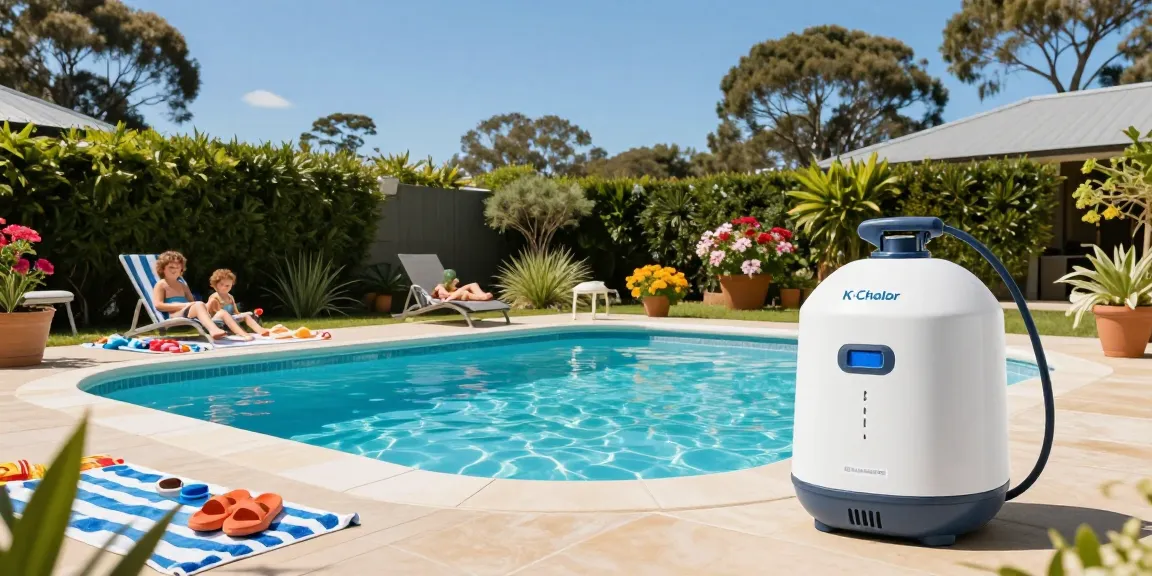
- Understanding the Best Chlorinator for Inground Pools
- Top Picks: K-Chlor Digital Gold Series Chlorinators
- Replacement Cells and Maintenance for Optimal Performance
- Common Challenges and Solutions with Salt Water Chlorinators
- The Future of Pool Chlorination: Trends for 2026 and Beyond
- FAQs about Chlorinators
Understanding the Best Chlorinator for Inground Pools
If you own an inground pool, maintaining clean and clear water is essential for a pleasant swimming experience. One of the most efficient and effective ways to achieve this is through the use of a chlorinator. This device automates the addition of chlorine to your pool, ensuring optimal sanitation levels without the hassle of manual dosing. When exploring options, the best chlorinator for inground pools can provide comprehensive insights into the latest models and technologies available on the market.
What is a Chlorinator and How Does It Work?
A pool chlorinator is a device that uses saltwater or chlorine tablets to produce chlorine (Cl₂) for the sanitation of your swimming pool. Instead of requiring manual addition of chlorine, which can be cumbersome and prone to human error, modern chlorinators convert dissolved salt in the pool water into chlorine gas through a process called electrolysis. This makes maintaining your pool’s cleanliness less labor-intensive and minimizes your need to handle harsh chemicals directly.
In essence, the chlorinator continuously circulates your pool water through a salt cell, where the electrolysis converts the salt into chlorine. This process not only keeps your pool clean but also balances the pH levels, ensuring that the water remains safe and enjoyable for swimming.
Benefits of Using a Chlorinator in Your Inground Pool
- Reduced Chemical Dependency: As chlorinators generate chlorine automatically, you reduce the need for purchasing and storing chlorine products.
- Consistent Chlorine Levels: Chlorinators maintain stable chlorine levels, preventing spikes or drops that can cause water quality issues.
- Lower Maintenance Costs: While the upfront cost of a chlorinator may seem high, the long-term savings on chemicals and maintenance can be substantial.
- Gentler on Skin and Eyes: Saltwater pools tend to be less irritating to skin and eyes compared to traditional chlorinated pools.
Key Features to Look for in a Chlorinator
When selecting a chlorinator for your inground pool, consider the following features to ensure you choose a model that meets your needs:
- Output Capacity: Match the chlorinator’s output to your pool size. Larger pools require more powerful units.
- Self-Cleaning Functionality: Look for models that include self-cleaning technology to minimize maintenance.
- Digital Controls: Digital displays offer better control and monitoring of chlorine levels.
- Durability: A chlorinator should be made with high-quality materials that can withstand the Australian climate.
Top Picks: K-Chlor Digital Gold Series Chlorinators
For pool owners seeking reliable and efficient chlorinators, the K-Chlor Digital Gold Series is a top choice in Australia. This series contains models ranging from the KCHLOR KGS15 to the KGS100, each designed to meet different pool sizes and requirements.
KCHLOR KGS15 to KGS100: A Comprehensive Overview
The K-Chlor Digital Gold Series is known for its robust performance and user-friendly design. Below is a brief overview of the various models:
- KCHLOR KGS15: Ideal for smaller pools with a capacity of up to 50,000 liters.
- KCHLOR KGS20: Suitable for medium-sized pools, covering up to 75,000 liters.
- KCHLOR KGS25: Designed for larger inground pools, handling up to 100,000 liters.
- KCHLOR KGS30: This model can service pools up to 120,000 liters, making it perfect for swim schools or large families.
- KCHLOR KGS35: A versatile option for pools up to 150,000 liters, offering advanced features for optimal sanitation.
- KCHLOR KGS50: Suitable for very large pools, up to 200,000 liters, often found in commercial settings.
- KCHLOR KGS75: Handles pools ranging from 200,000 to 250,000 liters, great for public swimming facilities.
- KCHLOR KGS100: The most powerful model, capable of servicing pools up to 300,000 liters.
Comparing Chlorinator Models for Different Pool Sizes
It’s crucial to select a chlorinator that fits your specific pool size. For example, the KCHLOR KGS15 is perfect for residential pools, while the KGS100 is better suited for commercial applications. Using an undersized unit may lead to insufficient chlorination, resulting in poor water quality, while an oversized unit can lead to excessive chlorine levels, which could be harmful.
User Reviews and Feedback on K-Chlor Models
Customer feedback highlights the efficiency and reliability of the K-Chlor Digital Gold Series. Many users appreciate the ease of installation and the low maintenance requirements, thanks to the self-cleaning feature. Additionally, the digital controls allow for precise adjustments, ensuring optimal chlorine production for various conditions.
Replacement Cells and Maintenance for Optimal Performance
While K-Chlor units are designed for durability, the chlorinator cells will inevitably wear out over time and will require replacement. This is a significantly more cost-effective solution than replacing the entire chlorinator unit.
When to Replace Your Chlorinator Cell
Typically, chlorinator cells need replacement every 3 to 7 years, depending on the usage and maintenance practices. Signs that your cell may need replacing include:
- Decreased chlorine production despite proper settings.
- Frequent cleaning cycles or manual cleaning needed.
- Visible corrosion or scale buildup on the cell plates.
Choosing the Right Replacement for Your K-Chlor Model
Best Pool Chlorinators offers genuine K-Chlor replacement cells for all models, including the CKGS15RP for the KGS15 and CKGS100RP for the KGS100. Always choose OEM or high-quality compatible parts to ensure the longevity and functionality of your chlorinator.
Maintenance Tips for Longevity of Your Chlorinator
To maximize the lifespan of your chlorinator, follow these maintenance tips:
- Regularly Clean the Cell: Follow the manufacturer’s guidelines for cleaning intervals and procedures.
- Check Salt Levels: Ensure that your salt levels are maintained at optimal levels for effective chlorine production.
- Monitor Water Chemistry: Regularly test and balance your pool water chemistry to enhance the performance of your chlorinator.
Common Challenges and Solutions with Salt Water Chlorinators
While saltwater chlorination systems are renowned for their convenience, users may encounter challenges. Understanding these can help you troubleshoot effectively.
Addressing Calcium Buildup in Chlorinator Cells
Calcium buildup is a common issue in chlorinator cells due to the minerals in Australian water. To mitigate this:
- Use a regular cleaning schedule to remove scale.
- Consider using a descaling solution recommended by the manufacturer.
Maintaining Optimal Chlorine Levels in Your Pool
Maintaining optimal chlorine levels can be challenging, particularly during the summer months when pool usage is high. To maintain stability:
- Adjust the chlorinator’s output based on pool usage.
- Use a stabilizer to protect the chlorine from UV breakdown.
Dealing with Environmental Factors Affecting Chlorination
Environmental factors like rainfall, debris, and sunlight can significantly affect your pool’s chlorine efficiency. Regular pool maintenance, including skimming leaves and debris, will help maintain clarity and water quality.
The Future of Pool Chlorination: Trends for 2026 and Beyond
The pool industry is evolving, and so are the technologies used for chlorination. Here are some predictions for the future of pool chlorination systems.
Emerging Technologies in Pool Chlorination
Advancements such as AI-driven automation and improved sensing technologies will lead to more intuitive and efficient chlorination systems that can adjust their outputs in real-time based on water quality readings.
Environmental Impact and Sustainable Practices
As sustainability becomes increasingly significant, future pool systems are likely to incorporate eco-friendly practices, such as solar-powered chlorination options that reduce energy consumption.
Expert Predictions on Chlorinator Innovations
Experts suggest that the next decade may see chlorinators equipped with self-diagnostic capabilities that alert users to performance issues before they become major problems, thereby enhancing user convenience and reducing long-term costs.
FAQs about Chlorinators
What are the benefits of using a chlorinator for inground pools?
Chlorinators automate chlorine production, ensuring consistent water quality, reducing chemical handling, and minimizing maintenance efforts.
How do I choose the best chlorinator for my specific needs?
Consider your pool’s size, frequency of use, and specific features you desire, such as self-cleaning functions or digital monitoring.
Are K-Chlor chlorinators suitable for all pool types?
K-Chlor chlorinators are primarily designed for saltwater pools but can be adapted for traditional chlorine pools with appropriate settings.
What maintenance is required for salt water chlorinators?
Regular cleaning of the chlorinator cell and monitoring salt levels are essential for optimal performance, along with occasional professional servicing.
How can I extend the life of my chlorinator cell?
Maintain proper water chemistry, perform regular maintenance, and follow the manufacturer’s instructions for cleaning and operation to extend your cell’s life.


More Stories
What’s Coming Next for Custom Stickers in 2026: Expert Insights for Unique Designs
How to Avoid the Biggest Buy Nobility Aids Pitfalls in 2026
Top 5 Innovative Strategies for Food Storage Containers in 2026