
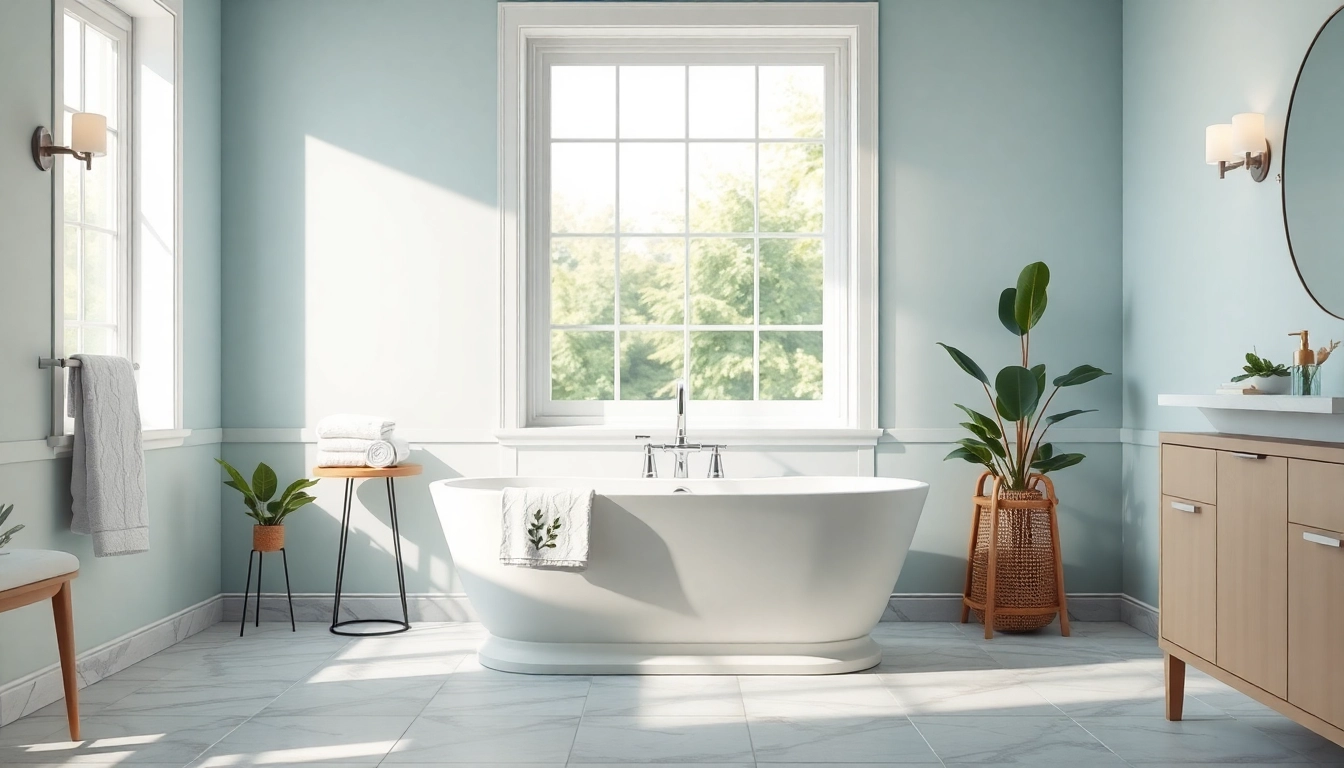
Understanding Bath Reconstruction: An Overview
What Is Bath Reconstruction?
Bath reconstruction is the process of renovating an existing bathroom to enhance its functional and aesthetic qualities. This may involve a complete overhaul or specific updates to fixtures and layout to better meet current preferences and usage needs. Whether homeowners seek to improve accessibility, modernize an outdated design, or resolve longstanding issues such as leaks or inefficient layouts, bath reconstruction is often the solution.
Typical Elements Involved in Bath Reconstruction
A typical bath reconstruction may include several key elements:
- Demolition and Removal: Old fixtures like bathtubs, sinks, and toilets are removed to start fresh.
- Plumbing and Electrical Work: Updating or relocating plumbing and electrical systems to accommodate new setups.
- Structural Changes: This can include wall adjustments, flooring installations, and even window placements to create a functional layout.
- Installation of Fixtures: New bathtubs, showers, sinks, and toilets are installed, often with modern aesthetic appeal and enhanced functionality.
- Finishing Touches: This involves painting, tiling, and accessorizing, creating a cohesive and visually pleasing environment.
Benefits of a Successful Bath Reconstruction
A successful bath reconstruction offers numerous benefits. These include improved functionality tailored to user needs, increased home value through modern upgrades, and enhanced energy efficiency with new fixtures. It can create a relaxing spa-like atmosphere that elevates the daily routine while also addressing any past issues like cramped spaces or outdated designs.
Planning Your Bath Reconstruction Project
Setting a Budget for Bath Reconstruction
Setting a clear budget is vital for any bath reconstruction project. Start by researching the average costs involved, which can range from £3,000 to £10,000, depending on scope and materials. Allocate funds not only for visible fixtures but also for potential unexpected costs like plumbing repairs or structural reinforcements.
Choosing the Right Materials and Fixtures
Selecting suitable materials and fixtures is crucial for durability and style. Consider factors like ease of maintenance, longevity, and aesthetic appeal when choosing tiles, countertops, and plumbing fixtures. Brands offer various options ranging from eco-friendly choices to luxurious finishes, allowing for personalization that meets both practical and aesthetic preferences.
Hiring Professionals vs. DIY for Bath Reconstruction
Deciding whether to hire professionals or take a DIY approach depends on your skillset and the complexity of your renovation. While simple tasks such as painting or installing accessories can often be handled independently, aspects like plumbing and electrical work typically require professional expertise to ensure safety and compliance with local regulations.
Innovative Design Ideas for Bath Reconstruction
Modern Styles: Minimalist vs. Classic
When it comes to design, homeowners often grapple between minimalist and classic styles. A minimalist approach focuses on clean lines, a limited color palette, and functional fixtures, promoting serenity and simplicity. In contrast, classic designs infuse elegance and nostalgia, often featuring ornate elements, traditional tiles, and rich wood finishes. Both styles can effectively reflect the homeowner’s personality and the desired ambiance.
Maximizing Space in Small Bathrooms
Small bathrooms present unique challenges, but clever design solutions can maximize functionality without sacrificing style. Consider wall-mounted fixtures, sliding doors, and mirrors to create the illusion of space. Corner sinks and compact storage options ensure that every square inch contributes to the bathroom’s usability while maintaining an open and inviting atmosphere.
Eco-Friendly Choices in Bath Reconstruction
Many homeowners are increasingly motivated to make eco-friendly choices during bath reconstruction. Selecting low-flow toilets and showerheads can significantly reduce water consumption without sacrificing performance. Additionally, using sustainable materials and energy-efficient lighting options contributes to a lower carbon footprint while creating a stylish and modern space.
Common Challenges in Bath Reconstruction
Identifying Structural Issues Before Reconstruction
Before beginning any reconstruction, it is crucial to identify and address any potential structural issues, such as water damage or mold. Conducting pre-renovation inspections can help reveal hidden problems that may complicate the project later on, ensuring that the project starts on solid ground and with fewer disruptions.
Dealing with Plumbing Complexities
Plumbing can often be one of the most complex areas to navigate during bath reconstruction. It is essential to work with professionals who understand local plumbing codes and ensure compliance with regulations. Proper plumbing design can prevent common issues such as leaks, insufficient drainage, and inadequate water pressure in your newly reconstructed bathroom.
Overcoming Design Impediments in Bath Reconstruction
Design impediments, such as awkward layouts or existing structural limitations, can pose challenges during reconstruction. It’s vital to work with a designer who is adept at problem-solving and can propose ingenious solutions. Employing three-dimensional modeling can also help visualize changes and identify potential conflicts before construction begins.
Maintenance and Upkeep Post-Reconstruction
Essential Cleaning Tips for Your New Bath
Keeping your newly reconstructed bath looking pristine requires some straightforward maintenance. Regular cleaning with appropriate products can prevent the build-up of grime and mold. For tiles and grout, consider using a soft brush and mild cleaners designed specifically for bathrooms. Implementing a consistent cleaning schedule will aid in preserving the beauty and functionality of your investment.
Regular Inspections: Ensuring Longevity of Your Bath Reconstruction
After completion, regular inspections can ensure the longevity of your bath reconstruction. Look for signs of wear and tear, leaks, or any plumbing concerns that may arise. Addressing minor issues early can prevent bigger problems down the line, thus maintaining the integrity of your new space.
When to Call Professionals for Maintenance
There are specific situations where calling a professional for maintenance is more advisable than handling the task alone. For complicated plumbing issues, electrical work, or concerns about structural integrity, entrusting these tasks to qualified experts ensures safety and compliance with regulations. Knowing when to seek help can save you time, money, and potential stress.
FAQs:
1. What is bath reconstruction?
Bath reconstruction involves renovating an existing bathroom to improve aesthetics, functionality, or both. It often includes fixtures updates, layout changes, and major repairs.
2. How much does a bath reconstruction typically cost?
The cost of bath reconstruction varies significantly based on materials, scope, and labor. On average, homeowners can expect to spend between £3,000 and £10,000.
3. How long does a bath reconstruction take?
A bath reconstruction can take anywhere from a week to several weeks, depending on the complexity of the project and the availability of materials and labor.
4. Can I make my bath environmentally friendly?
Yes! Choosing low-flow fixtures, energy-efficient lighting, and sustainable materials are excellent ways to make your bath reconstruction eco-friendly.
5. Should I DIY or hire help for my bath reconstruction?
It depends on your skills and the project’s complexity. Simple updates can be DIY-friendly; however, complex tasks often require professional expertise for safety and quality.




More Stories
Transform Your Space with American Standard Fixtures for Style and Functionality
Achieving Luxurious Living with Elegant Showers au in Modern Bathrooms
Die Vorteile und Eigenschaften der sonni Duschkabine für Ihr Badezimmer