
Understanding the Importance of Secure Logins
In today’s digital landscape, the necessity for secure logins has never been more critical. With increasing cyber threats and the proliferation of online services, understanding how to safeguard your online accounts is paramount. One platform where secure login practices are essential is rm1.to, a significant entry point for users interacting with RussianMarket. As we move deeper into 2026, users must be more vigilant than ever to protect their personal information and account access.
Why Secure Access Matters in 2026?
In 2026, the value of secure access cannot be overstated. With the rapid pace of technological advancements, cybercriminals continuously evolve their methods to breach security measures. A secure login ensures that only authorized individuals can access sensitive information, reducing the risk of identity theft and financial fraud. Moreover, as more services transition to online platforms, a secure login becomes a cornerstone of user trust.
Common Login Challenges Users Face
Despite advancements in security, users often encounter several challenges during the login process. These challenges include forgotten passwords, phishing attacks, and the misuse of credentials. Additionally, many users struggle with remembering complex passwords, leading to the use of weak or repetitive passwords across multiple sites. This behavior significantly increases vulnerability and compromises account security.
Best Practices for Keeping Your Account Secure
- Use Strong, Unique Passwords: Create passwords that are at least 12 characters long and include a mix of letters, numbers, and special characters.
- Enable Two-Factor Authentication (2FA): Whenever available, enable 2FA to add an extra layer of security to your login process.
- Regularly Update Passwords: Change your passwords every few months, and never reuse old passwords.
- Be Wary of Phishing Attempts: Always verify the authenticity of login sites and emails before entering your credentials.
Step-by-Step Guide to Accessing rm1.to
Creating Your Account and Setting Up Login Credentials
To access rm1.to, users must first create an account. The registration process is straightforward, requiring users to provide basic information such as email, username, and a strong password. Once the account is created, you will receive a confirmation email to activate your account. It’s crucial to follow these steps carefully to ensure your account is set up securely and correctly.
Navigating the rm1.to Login Page Efficiently
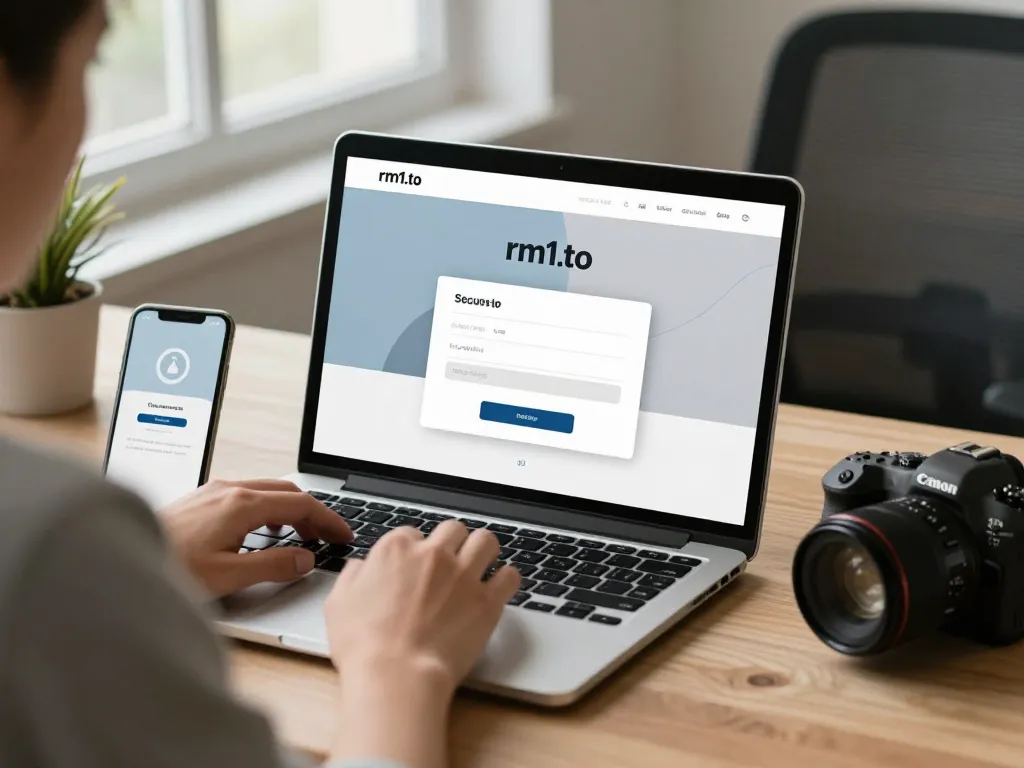
Once you have established your account, navigating the rm1.to login page should be a seamless experience. The login interface is designed for user convenience, featuring clearly marked fields for your username and password. If you encounter any issues while logging in, ensure that your details are entered correctly, and check for any typos or errors.
Recovering Forgotten Passwords Quickly
If you forget your password, rm1.to offers a straightforward recovery process. Simply click the “Forgot Password?” link on the login page, and follow the instructions to receive a password reset email. This feature is essential for maintaining account access while ensuring that security protocols are upheld.
Features of the rm1.to Login Interface
User-Friendly Design Elements Enhancing Experience
The design of the rm1.to login interface prioritizes user experience, ensuring that all users, regardless of technical ability, can log in without difficulty. The layout is clean, with intuitive navigation allowing for quick access to the necessary login fields. These design choices enhance the overall usability of the platform.
Security Features Integrated into the Login Process
Security is a top priority for rm1.to, which integrates several key features in its login process. This includes encryption technologies that protect user information and regular security updates to address emerging threats. Users can feel confident that their data is safeguarded throughout the login process.
Mobile Access: Logging In via Smartphones
With the rise of mobile device usage, rm1.to ensures that their platform is fully optimized for smartphone access. Users can easily log in using their mobile devices, enabling them to manage their accounts on the go. The mobile interface maintains the same security protocols and user-friendly design elements as the desktop version.
Common Misconceptions About Login Security
Myths About Password Complexity and Security
Many users believe that password complexity alone guarantees security. While having a complex password is important, it’s equally essential to adopt comprehensive security practices, including 2FA and regular password updates. This multi-layered approach significantly enhances security beyond relying on passwords alone.
Understanding Phishing and Fake Login Sites
Phishing attacks often trick users into entering their login credentials on fake sites designed to look legitimate. Users must be cautious and verify URL addresses before inputting their details, especially with high-stakes platforms like rm1.to, where sensitive information is at risk.
Clarifying Two-Factor Authentication Benefits
Despite its benefits, some users question the necessity of Two-Factor Authentication (2FA). However, enabling 2FA provides an additional layer of security that is crucial in mitigating unauthorized access. It ensures that even if a password is compromised, the account remains protected.
Looking Ahead: The Future of Secure Logins
Emerging Trends in Authentication Technologies
The future of secure logins is evolving, with new authentication methods gaining popularity. Biometric authentication, such as fingerprint scanning and facial recognition, are being integrated into platforms like rm1.to, offering users a more secure and convenient login experience.
Preparing for Cybersecurity Challenges in 2026
As technology advances, so do the tactics employed by cybercriminals. Organizations and users alike must stay informed about the latest cybersecurity threats and adapt their strategies accordingly. This proactive approach is essential for maintaining a secure online presence.
Maintaining User Trust in Digital Platforms
Building and maintaining user trust is vital for any platform. Implementing robust security protocols and being transparent about data protection will foster a secure environment where users feel safe to engage and share their information.
What is rm1.to and How Does it Work?
rm1.to serves as the login gateway for RussianMarket users, providing access to dashboards where users can manage their accounts effectively. By ensuring that the login process is both secure and user-friendly, rm1.to establishes itself as a reliable platform for its clientele.
What Should I Do If I Can’t Access My rm1.to Account?
If you find yourself unable to access your rm1.to account, the first step is to check your internet connection and try again. If the issue persists, utilize the “Forgot Password?” feature to reset your password and regain access. For further assistance, consider reaching out to customer support for resolution.
How Can I Change My Password on rm1.to?
Changing your password on rm1.to is a straightforward process. After logging in, navigate to the account settings section, where you can select the option to update your password. Make sure to choose a new password that meets the complexity requirements for enhanced security.
Is Two-Factor Authentication Necessary for rm1.to?
Implementing Two-Factor Authentication for rm1.to is highly recommended. It adds an essential layer of security that significantly reduces the risk of unauthorized access, ensuring that your account remains safe even if your password is compromised.
What Security Features Does rm1.to Offer?
rm1.to is dedicated to providing its users with a secure login environment. This includes encryption protocols, regular security updates, and user-friendly interfaces designed to help users navigate the login process while safeguarding their personal information.


More Stories
Trang Chủ Gi8 Crash Course: Master the Tech Basics Fast
Tha Casino Pulse Check: Is It Still Viable in 2026?
Revolutionary Text to CAD Techniques for 2026: Transform Ideas into Models