
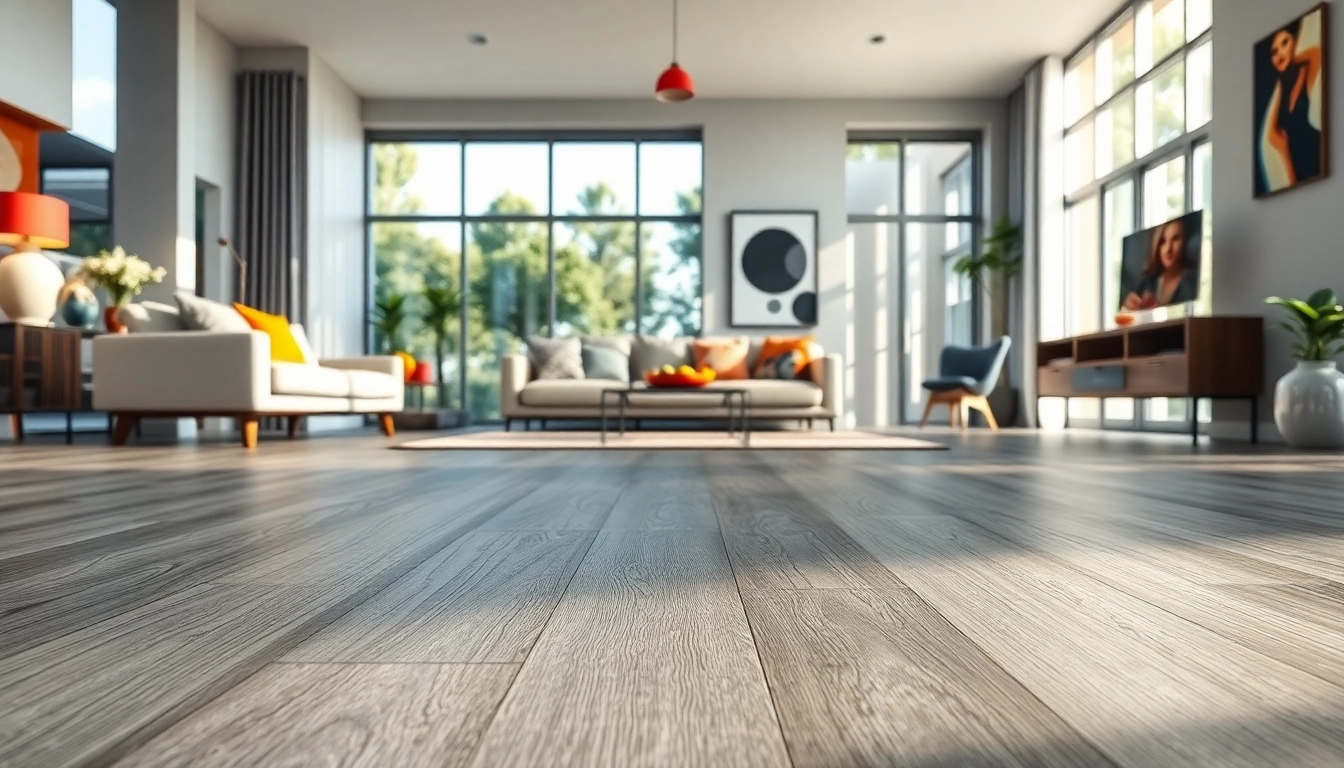
The Benefits of Waterproof LVP Flooring
Waterproof LVP flooring has gained significant traction among homeowners and designers alike, and for good reasons. This innovative flooring solution combines practicality with aesthetics, making it a popular choice in various spaces. From busy family homes to elegant commercial environments, the versatility of waterproof lvp flooring is unmatched. Let’s explore the numerous benefits that make it a standout option in the flooring market.
Durability and Longevity
One of the most commendable attributes of waterproof LVP flooring is its durability. Manufactured from high-quality materials, this flooring is designed to withstand wear and tear caused by foot traffic, furniture, and even pets. Unlike traditional hardwood or laminate flooring, waterproof LVP does not warp or buckle when exposed to moisture, ensuring that it maintains its structural integrity over time. This makes it an ideal choice for areas prone to spills or humidity, such as kitchens, bathrooms, and laundry rooms.
Moreover, waterproof LVP flooring is resistant to scratches and dents, which significantly extends its lifespan. The product’s high-density core effectively absorbs impacts, which is particularly beneficial in households with children or pets. Many manufacturers offer warranties lasting from 10 to 30 years, further endorsing the flooring’s long-lasting value.
Water Resistance and Maintenance
As its name implies, waterproof LVP flooring is exceptionally resistant to water, which eliminates the common concerns associated with moisture-related damage. Homeowners no longer need to stress about spills or accidents—these floors can easily be wiped clean without fear of staining or warping. This makes waterproof LVP an especially appealing choice for homes in humid climates or areas that experience frequent flooding.
Maintenance is a breeze with waterproof LVP flooring. Routine cleaning typically involves simple sweeping or vacuuming to remove dirt and debris, followed by mopping with a damp cloth or a manufacturer-recommended cleaner. This ease of maintenance not only saves time and effort, but also preserves the floor’s appearance and longevity. Since there are no grout lines or seams, dirt and allergens have fewer places to hide, contributing to a healthier indoor environment.
Variety of Design Options
Another significant advantage of waterproof LVP flooring is the vast array of design options it offers. Whether a homeowner prefers the rich warmth of wood grains or the sleek look of stone tiles, waterproof LVP can be engineered to mimic any type of flooring material. This adaptability enables homeowners to achieve their desired aesthetic without sacrificing performance.
In addition to various colors and patterns, waterproof LVP is available in numerous styles, making it suitable for traditional, modern, and eclectic interior designs alike. The versatility in design options allows homeowners to beautifully integrate their flooring with other decorative elements, making it easier than ever to create cohesive, attractive spaces.
How to Choose the Right Waterproof LVP Flooring
Understanding Different Types and Styles
Choosing the right waterproof LVP flooring involves understanding the various types and styles available. Generally, waterproof LVP is categorized into two main types: luxury vinyl tiles (LVT) and luxury vinyl planks (LVP). LVT emulates the look of ceramic or stone tiles, whereas LVP resembles hardwood flooring. Both types come in many designs and colors, catering to different aesthetic preferences.
When selecting a style, consider the existing décor of the space. For a rustic look, choose planks that feature a reclaimed wood appearance, or for a contemporary touch, select sleek, modern tiles. It’s important to obtain samples whenever possible to observe how the colors and textures complement your home’s design before making a final decision.
Assessing Your Space and Needs
It’s crucial to assess your space and specific needs before committing to waterproof LVP flooring. Start by considering the room’s function, potential foot traffic, and moisture levels. For high-traffic areas, opt for thicker, more robust options that can withstand excessive wear. In contrast, lighter-weight options may be suitable for less-trafficked areas.
Additionally, evaluate weather conditions in your location. If humidity is a concern, ensure the selected product has superior water resistance. Measuring your space accurately will also help determine how much flooring material to purchase, preventing excess waste or shortages.
Budget Considerations
Budget is an essential factor when choosing any flooring, including waterproof LVP. Costs can vary significantly depending on the quality, design, and brand. Prioritize investing in higher-quality options that may have a substantial initial cost but offer greater durability and lower maintenance costs in the long run.
On average, waterproof LVP flooring ranges between $2 to $7 per square foot, not including installation costs. Consider both the cost of the product and installation when calculating your budget. Be sure to get quotes from multiple contractors to ensure a fair price, and look out for potential deals or discounts from retailers.
Installation Guide for Waterproof LVP Flooring
Preparation Steps Before Installation
Proper preparation is vital before installing waterproof LVP flooring. Start by ensuring the subfloor is clean, dry, and level. Any imperfections can lead to uneven surfaces that may affect the integrity of the flooring over time. Remove any existing flooring materials and thoroughly clean the subfloor to remove dirt, dust, or debris.
Next, acclimate the waterproof LVP planks or tiles in the room where they will be installed for at least 48 hours. This will help to minimize expansion or contraction caused by temperature changes. Following this, measure the area to determine the layout and orientation of the planks, which can influence both the aesthetic and installation process.
Choosing the Right Tools and Materials
The right tools are essential for a successful installation. Gather necessary supplies, including a utility knife, straight edge, measuring tape, and spacers. Additionally, consider investing in a tapping block and pull bar to ensure the planks fit snugly together without damaging the edges.
Some installations may also require underlayment, which provides additional cushioning and can help with sound absorption. Always refer to the manufacturer’s guidelines for specific recommendations related to chosen products, as adherence to these instructions can ensure optimal results.
Step-by-Step Installation Process
Once the preparation is complete and the necessary tools are gathered, you can initiate the installation process. Here’s a step-by-step guide:
- Start in a Corner: Begin laying the planks in a corner of the room, positioning them parallel to the longest wall. Use spacers to maintain an expansion gap between the floor and walls.
- First Row: Connect the first row of planks using the tongue-and-groove mechanism. Tap them into place with a tapping block for a secure fit.
- Subsequent Rows: Continue the installation, ensuring to stagger the seams in each row for an aesthetically pleasing appearance and structural strength.
- Final Row: Measure and trim the final row of planks to fit snugly against the wall, maintaining the expansion gap.
- Finishing Touches: After installation, remove spacers and install baseboards or quarter-rounds to cover the expansion gaps.
Once completed, allow the flooring to settle for a few hours before placing furniture back into the room. This diligence in planning and execution ensures a beautifully finished flooring project that will stand the test of time.
Maintenance Tips for Waterproof LVP Flooring
Daily Cleaning Practices
Maintaining waterproof LVP flooring requires minimal effort and attention. Establishing a daily cleaning routine helps keep the flooring looking its best. Regular practices include sweeping or vacuuming to eliminate dirt and dust that can scratch the surface. It’s also advisable to use a microfiber mop with a damp, not soaked, cloth to maintain hygiene without damaging the flooring.
Avoid harsh chemicals and abrasive cleaners, as these can lead to deterioration of the protective layer over time. Instead, opt for gentle cleaners recommended by manufacturers for a thorough yet safe cleaning experience.
Handling Stains and Scratches
Despite its durability, accidents can happen, leading to stains or scratches on waterproof LVP flooring. The first step in managing stains is timely action—blot spills immediately with a soft cloth. For tougher stains, a mixture of mild soap and water often does the trick. Always perform a spot test in a hidden area before applying any cleaner broadly.
For scratches, minor ones can typically be buffed out with a soft cloth. However, for deeper scratches, consider using a vinyl repair kit. Such kits often include color-matching compounds that seamlessly fill in the scratches, keeping your flooring looking flawless.
Long-Term Care Recommendations
Long-term care of waterproof LVP flooring should involve occasional deep cleaning. This can be performed monthly or seasonally, using a specialized vinyl floor cleaner. Investing in a professional cleaning service every few years can also be a fantastic way to refresh the appearance of your flooring.
Additionally, consider protective measures by placing mats at entrances and using furniture pads underneath heavy items to reduce wear and tear. By following these long-term care recommendations, your waterproof LVP flooring can maintain its beauty and functionality for many years.
Frequently Asked Questions about Waterproof LVP Flooring
What makes waterproof LVP flooring ideal for homes?
Waterproof LVP flooring is ideal for homes due to its inherent moisture resistance, durability, and ease of maintenance. It effectively withstands spills and humid conditions, making it suitable for kitchens, bathrooms, and pet-friendly spaces.
Can waterproof LVP flooring be installed over existing floors?
Yes, waterproof LVP flooring can often be installed over several existing flooring types, including concrete, vinyl, and laminate, depending on the manufacturer’s guidelines. Proper preparation of the subfloor is essential for the best results.
How do I clean waterproof LVP flooring effectively?
To clean waterproof LVP flooring effectively, regularly sweep or vacuum to remove debris and use a damp mop with a manufacturer-recommended cleaner. Avoid harsh chemicals to maintain the floor’s durability and appearance.
What is the lifespan of waterproof LVP flooring?
The lifespan of waterproof LVP flooring typically ranges from 10 to 30 years, depending on the quality of the product, installation, and maintenance practices. Higher-quality options may provide even longer longevity.
Is waterproof LVP flooring eco-friendly?
Many waterproof LVP flooring options are made from recyclable materials and contain low levels of volatile organic compounds (VOCs), making them more environmentally friendly compared to traditional flooring materials. Always check for certifications for eco-friendly choices.



More Stories
What’s Coming Next for Custom Stickers in 2026: Expert Insights for Unique Designs
How to Avoid the Biggest Buy Nobility Aids Pitfalls in 2026
Top 5 Innovative Strategies for Food Storage Containers in 2026