
Understanding Kling Motion AI: The Future of Video Creation
The rapid evolution of artificial intelligence has transformed the landscape of video creation, making it more accessible and efficient than ever before. At the forefront of this revolution is Kling Motion AI, a powerful tool that facilitates the process of turning still images into dynamic, captivating videos. By leveraging advanced technologies, Kling Motion AI offers creators unparalleled control over video production, setting a new standard for quality and creativity. When exploring options, Kling motion ai provides comprehensive insights into mastering motion control and enhancing video storytelling.
What is Kling Motion AI?
Kling Motion AI is an innovative image-to-video generator that employs state-of-the-art algorithms to animate static images with remarkable precision. This technology allows users to upload character images and reference videos, which the system analyzes to create video outputs that maintain the authenticity and expressiveness of the source material. The result is photorealistic video content that closely aligns with the intended artistic vision, making it an invaluable tool for filmmakers, content creators, and marketing professionals alike.
Key Features of Kling Motion AI for Video Generation
- Accurate Motion Path Control: Users can define specific motion paths for characters and cameras, ensuring that every action is deliberate and visually coherent.
- Facial Identity Preservation: Unlike many earlier motion AI systems, Kling Motion AI maintains character identities consistently throughout the video, eliminating the common issues of visual drift.
- High-Quality Output: Produces high-resolution videos that mimic natural textures and realistic lighting, making the output indistinguishable from traditional CGI.
- Rapid Video Generation: Optimized for speed, Kling Motion AI can generate professional-quality videos in a fraction of the time compared to conventional methods.
- Advanced Control for Complex Actions: Capable of executing intricate movements with fine detail, from subtle facial expressions to full-body choreography.
How Kling Motion AI Stands Out in the Market
What sets Kling Motion AI apart from other image-to-video models is its integration of sophisticated motion analysis and user-friendly controls. While many platforms provide basic functionality for video creation, Kling Motion AI allows for more intricate manipulation of character actions and camera movements. This level of control is particularly beneficial for creators who seek to produce content that resonates on a deeper emotional level with viewers, ensuring that every element of the video aligns perfectly with their vision.
Getting Started with Kling Motion AI: A Step-by-Step Guide
Creating AI Videos in 3 Simple Steps
Getting started with Kling Motion AI is straightforward. Follow these three steps to create captivating AI videos:
- Upload a Character Image: Choose a full-body or half-body image with a visible background. Ensure the image is at least 3.5 seconds long and does not exceed 150MB.
- Upload a Reference Video: Select a reference motion video that matches the framing and type of movement you want to replicate.
- Generate and Export Your Video: Use the Kling Motion AI engine to analyze and animate the selected image based on the reference video, then preview and export your final creation.
Setting Up Your Workspace for Optimal Video Production
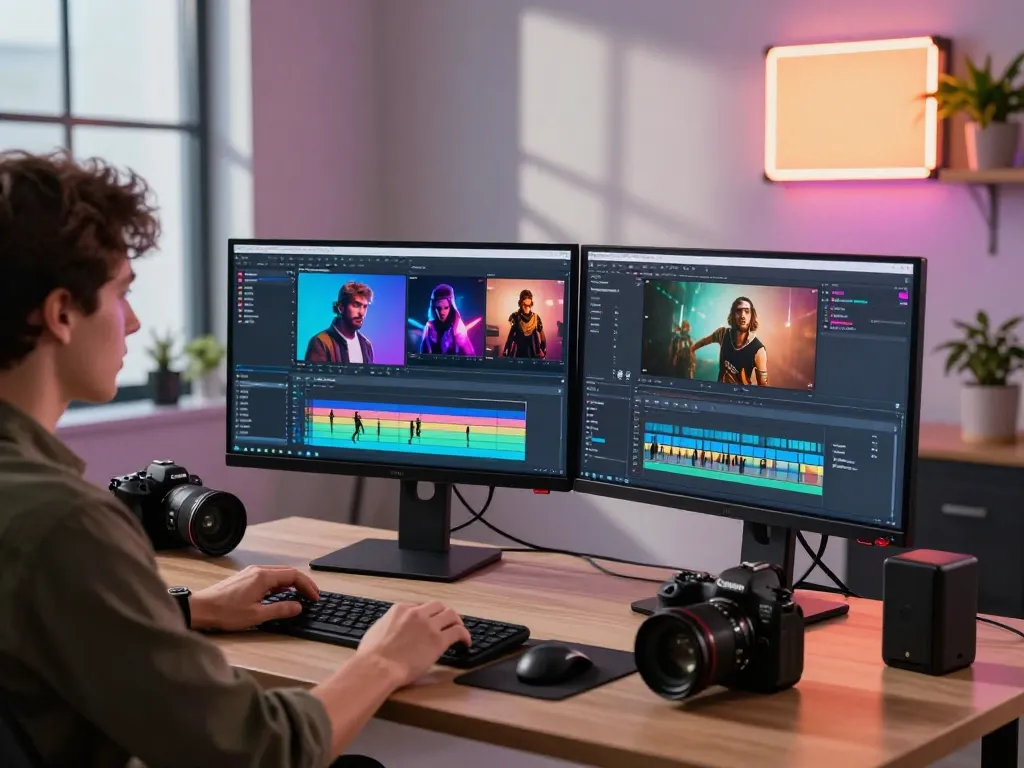
A well-organized workspace can significantly enhance the efficiency of your video production process. Ensure you have a stable internet connection, a computer with adequate processing power, and the latest version of Kling Motion AI installed to maximize performance. Additionally, having a comfortable setup can facilitate longer productive sessions, allowing for greater creativity and experimentation with your video projects.
Essential Hardware and Software Requirements
- Hardware: A computer with a multi-core processor, at least 16GB of RAM, and a dedicated graphics card is recommended for optimal performance.
- Software: Ensure that your operating system is up to date, and install the latest version of Kling Motion AI to utilize all available features.
- Storage: Sufficient storage space is necessary to handle video files, particularly when working with high-resolution outputs.
Best Practices for Using Kling Motion AI
Choosing the Right Reference Images for Best Results
The quality of the reference images you choose directly impacts the output of your videos. Opt for images with clear lighting and minimal distortion. Full-body images work best with full-body motion clips, while half-body images should match half-body footage to ensure stability throughout the animation process. Moreover, selecting images that allow space for motion can help to prevent visual cutoff during animation.
Utilizing Text Prompts for Enhanced Video Quality
Text prompts can significantly enhance the quality of the generated video. Use descriptive prompts to guide the AI in terms of atmosphere, action, and camera behavior. This not only helps in producing a video that aligns with your creative vision but also allows for a more personalized and imaginative output, ensuring that the final product resonates with your audience.
Common Pitfalls and How to Avoid Them
While Kling Motion AI is designed for ease of use, there are common mistakes that can hinder the creation process. One frequent issue is neglecting to ensure that the reference images and videos are closely aligned in terms of framing and action. Additionally, overcomplicating text prompts can lead to confusion in the generated output. Stick to clear and concise descriptions for the best results.
Advanced Techniques for Professional Video Production with Kling Motion AI
Mastering Motion Control: Aligning Characters and Actions
To create seamless animations, mastering motion control is essential. Use reference videos that demonstrate clear, deliberate movements, ensuring that the AI has concrete examples to follow. Keep the actions fluid and avoid abrupt transitions that can disrupt the overall flow of the animation.
Creating Cinematic Camera Movements with Kling
Cinematic camera movements can elevate your video’s narrative. With Kling Motion AI, you have the flexibility to control camera pans, tilts, and zooms alongside character movements, allowing for a cohesive visual storytelling experience. Experiment with different angles and transitions to find the most effective ways to convey your story.
Using Motion Clips for Viral Video Success
In the digital age, creating viral content has become paramount. Leverage the advanced features of Kling Motion AI to produce engaging and shareable clips. By using popular and trending reference motion clips, you can tap into current social media trends, increasing the likelihood of your videos going viral.
Future Trends in Motion AI and Video Production
Innovations in AI Video Technologies in 2026
The field of AI-driven video production is expected to experience significant innovations in 2026, with improved algorithms that enhance user experience and output quality. Expect developments in real-time rendering capabilities and augmented reality integrations, allowing for even more immersive storytelling experiences.
The Growing Importance of Realism in AI-Generated Videos
As technology advances, the demand for realism in AI-generated videos will continue to rise. Tools that can produce lifelike animations, maintain character integrity, and create believable environments will be essential for content creators. Kling Motion AI is poised to lead this wave of development by continuously refining its algorithms and user capabilities.
Predictions for the Future of Video Content Creation
The future of video content creation will likely revolve around increased accessibility and user involvement. With intuitive interfaces and advanced AI tools, we can expect a surge in amateur creators entering the space, bringing new perspectives and creativity. As the market grows, platforms like Kling Motion AI will be critical in shaping and supporting this evolving landscape.
Can I Use Kling Motion AI Videos for Commercial Projects?
Yes, videos created using Kling Motion AI can be utilized for commercial projects, provided that the content adheres to copyright policies and guidelines. It is essential to ensure that all reference images and videos used for generating commercial content are either owned or properly licensed to avoid potential legal issues.
How Fast Is Video Generation with Kling Motion AI?
The speed of video generation with Kling Motion AI is one of its standout features. Most projects can be completed in just a few minutes, allowing for rapid iteration and creative experimentation. This speed not only enhances productivity but also encourages creators to push the boundaries of their storytelling potential.
Does Kling Motion AI Support Facial Expression Changes?
Yes, Kling Motion AI provides robust support for facial expression changes. The system captures subtle nuances in facial movements, delivering expressive results that enhance character portrayal. This feature is particularly beneficial for projects where emotional expression is key to engaging audiences.
What Image Settings Produce the Best Motion Control Results?
To achieve the best results with Kling Motion AI, it is recommended to use images with clear, high-resolution quality and good framing. Avoid images with excessive noise or visual clutter that can confuse the AI during processing. The use of natural lighting will also improve the animation quality.
How to Get the Best Results with Motion Control AI?
To maximize the potential of Kling Motion AI, combine high-quality reference images and motion clips with concise text prompts. Regularly experiment with different configurations, and analyze the output to understand what works best for your specific video projects. With practice and creativity, you can unlock the full capabilities of this powerful tool.


More Stories
Trang Chủ Gi8 Crash Course: Master the Tech Basics Fast
Tha Casino Pulse Check: Is It Still Viable in 2026?
Mastering rm1.to Login: Your Essential Guide for 2026